Why is Safety Relief Valve Critical for Equipment Protection?
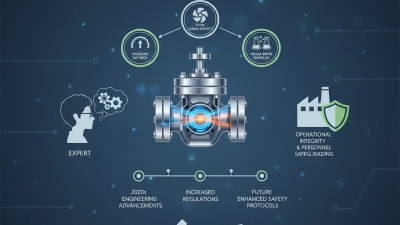
In the complex world of industrial equipment, the Safety Relief Valve plays a crucial role in ensuring safety and reliability. Industry expert Dr. Jane Thompson states, "A well-functioning Safety Relief Valve is the guardian of our equipment." This sentiment highlights its essential function in protecting machinery against excessive pressure that could lead to catastrophic failures.
Safety Relief Valves are designed to release pressure when it exceeds safe limits. This prevention mechanism avoids equipment damage and potential hazards. For example, in chemical plants, a malfunctioning valve could result in dangerous gas leaks, putting workers at risk. Regular maintenance of these valves is crucial yet often overlooked.
Despite their importance, many companies neglect proper testing and monitoring. This oversight can lead to serious operational issues. Equipment downtime and unexpected repairs can be costly. Awareness of the role of the Safety Relief Valve could greatly enhance safety practices across various industries. Continuous education and training on valve management are essential for ensuring their effectiveness.
Understanding the Functionality of Safety Relief Valves
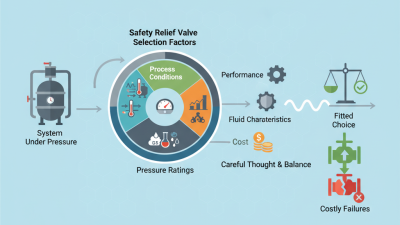
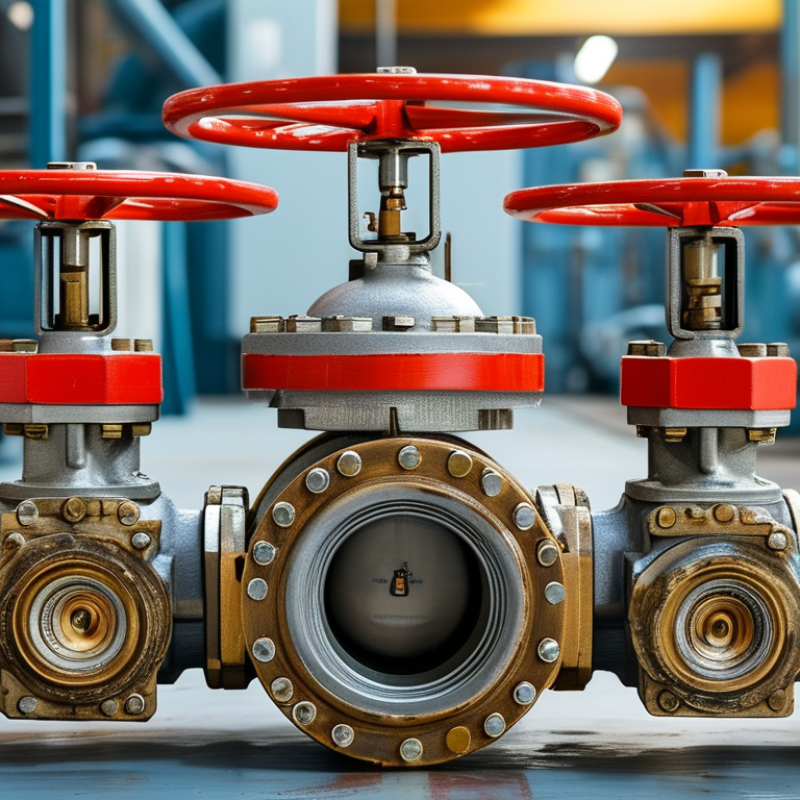
Safety relief valves play a crucial role in protecting industrial equipment from excessive pressure. Their main function is to release pressure when it reaches a predetermined limit. This prevents equipment failure, which could lead to catastrophic accidents. According to the American Society of Mechanical Engineers (ASME), nearly 80% of industrial accidents stem from pressure-related failures. These incidents not only threaten worker safety but can also result in significant financial losses.
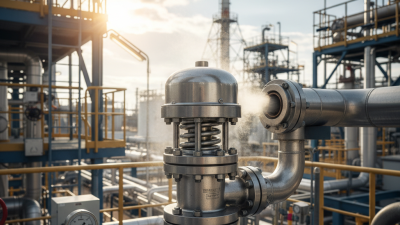
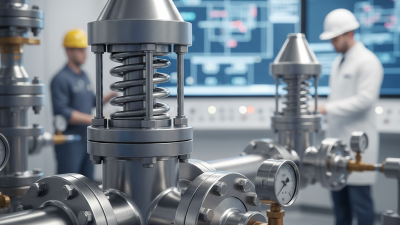
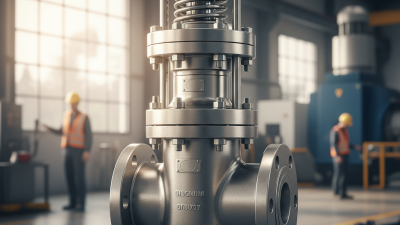
The design of safety relief valves is vital for their performance. Most valves use a spring-loaded mechanism to open at set pressures, allowing fluid or gas to escape. This process ensures that the internal pressure of tanks and vessels remains within safe limits. The National Board of Boiler and Pressure Vessel Inspectors reports that improper valve maintenance contributes to 70% of valve-related failures. Regular inspections and recalibrations are essential to ensure optimal functionality.
It's important to recognize that even small errors in valve calibration can lead to severe consequences. Operators must maintain a comprehensive understanding of these devices. Professional training and certifications are essential to ensure that personnel can effectively manage and maintain safety relief valves. Investing in ongoing education can help mitigate risks and improve overall safety in industrial environments.
Why is Safety Relief Valve Critical for Equipment Protection? - Understanding the Functionality of Safety Relief Valves
| Aspect |
Description |
Importance |
Typical Applications |
| Functionality |
Controls pressure by releasing excess pressure from a system |
Prevents equipment failure and protects personnel |
Pressure vessels, boilers, pipelines |
| Types |
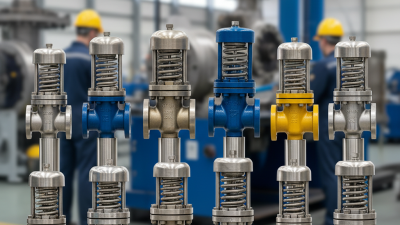
Spring-loaded, pilot-operated, and balanced bellows |
Different designs for different applications and pressures |
Chemical, oil & gas, HVAC systems |
| Installation |
Must be installed correctly to function properly |
Ensures reliability and safety in operations |
Manufacturing plants, processing facilities |
| Maintenance |
Regular testing and inspection required |
Helps identify wear and potential failures |
Power plants, water treatment facilities |
| Regulations |
Must comply with safety standards and regulations |
Ensures safety and compliance in industries |
Industrial sectors requiring safety audits |
The Importance of Pressure Control in Industrial Equipment
Pressure control is a vital aspect of industrial equipment management. In many industries, excess pressure can lead to catastrophic failures. According to a report by the National Board of Boiler and Pressure Vessel Inspectors, pressure-related incidents can result in billions of dollars in losses and numerous injuries. This highlights the critical need for effective safety measures, such as safety relief valves, which help regulate and release excess pressure safely.
Maintaining optimal pressure ensures equipment longevity. A study from the American Society of Mechanical Engineers indicates that properly functioning safety valves can reduce maintenance costs by up to 30%. However, it’s essential to acknowledge that not all safety valves are created equal. Regular inspections are necessary to ensure the reliability of these systems. A failure to maintain them could lead to pressure buildup, risking the safety of personnel and equipment.
Implementing a proactive pressure control strategy is not just good practice; it's essential. Industries must be vigilant in monitoring pressure levels. According to the Occupational Safety and Health Administration, proper pressure control can reduce workplace accidents significantly. Yet, many organizations still lag in adopting comprehensive safety systems. This creates areas for improvement. Investing in training and technology is crucial for effective pressure management and equipment protection.
Potential Risks of Not Using Safety Relief Valves
Safety relief valves serve a crucial role in the protection of industrial equipment. The absence of these valves can lead to severe risks. One major concern is overpressure. When pressure builds up in a system, it can cause catastrophic failures. Equipment may rupture or explode, resulting in costly damages and injuries.
Another risk involves the potential for hazardous material releases. In systems handling toxic or flammable substances, the consequences of a failure can be dire. Not only does this threaten the safety of personnel, but it can also harm the environment. The lack of safety relief valves can create a ticking time bomb in any industrial setting, making regular inspections and maintenance essential.
Ignoring the need for these valves can also invite regulatory penalties. Compliance failures can lead to legal issues and financial setbacks. Companies must prioritize safety measures to mitigate these risks effectively. The complexities of pressure systems demand a proactive approach. Safety relief valves are not merely accessories; they are essential components in safeguarding operations.
Applications of Safety Relief Valves in Various Industries
Safety relief valves play a crucial role across many industries. In oil and gas, they prevent
overpressure in pipelines and vessels,
ensuring safe operations. In chemical processing, these valves protect against dangerous reactions
by releasing excess pressure. This is vital for maintaining safety and integrity in these
high-risk environments.
In the food and beverage industry, safety relief valves are essential. They prevent
overpressure in processes like pasteurization,
where steam and pressure can rise rapidly. Proper installation and maintenance of these valves can
save lives and prevent costly downtime. Always check for signs of
wear and ensure your safety relief valves are functioning correctly.
Tip: Regularly test your safety relief valves. This should be part of your
maintenance schedule. Keeping records helps in tracking performance over time.
In HVAC systems, safety relief valves protect against pressure buildup in heating systems. If not
correctly calibrated, these valves may fail to open, leading to dangerous situations.
Monitor performance and address any irregularities immediately to enhance safety.
Tip: Educate your team on the importance of these valves. Awareness leads to
better maintenance practices and improved safety outcomes.
Best Practices for Maintenance and Inspection of Safety Relief Valves
Safety relief valves are essential for protecting industrial equipment from dangerous overpressure situations. Regular maintenance and inspection of these valves can prevent catastrophic failures. Key practices ensure their reliability and functionality.
Tips: Always check for signs of corrosion or wear. Such issues can degrade valve performance, leading to inefficiencies.
Inspection should occur at least annually. Testing the valve operation is crucial. Ensure it opens at the designated pressure. Ignoring this could result in undetected failures.
Documentation plays a vital role. Maintain a log of all inspections and maintenance activities. This promotes accountability and facilitates future assessments.
Tips: Engage qualified personnel for any repairs. Inexperienced handling may introduce risks.
Even with careful practices, misunderstandings can arise. Some might assume valves operate perfectly without regular checks. This complacency can lead to disastrous outcomes, highlighting the need for diligence.
Importance of Safety Relief Valve Maintenance