Top 10 Well Drilling Machines You Need to Know About?
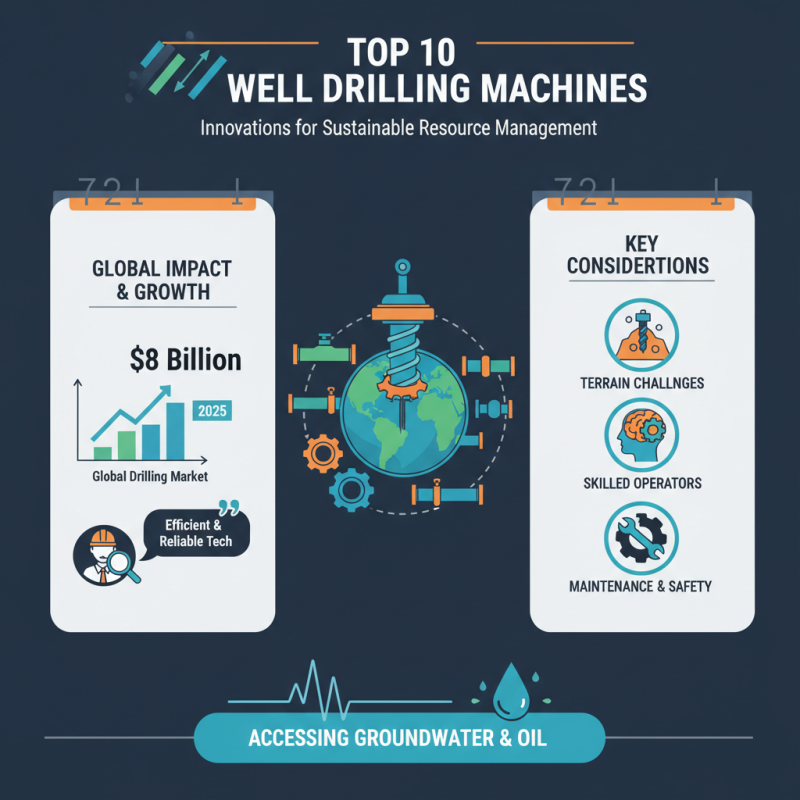
In the world of construction and natural resource extraction, the role of Well Drilling Machines cannot be overstated. According to a recent industry report by the International Energy Agency, the global drilling market is expected to reach over $8 billion by 2025. This growth highlights the increasing demand for efficient and reliable well drilling technologies. Industry expert Dr. Jane Holloway emphasizes, "The advancement of Well Drilling Machines is crucial for sustainable resource management."
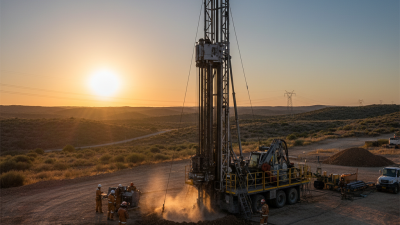
Well Drilling Machines are pivotal in accessing groundwater and oil reserves. They vary from small portable rigs to large, fully mechanized systems. The choice of equipment can significantly influence operational costs and project timelines. Yet, a common oversight in selecting drilling machines is underestimating the terrain challenges. Each region presents unique geological obstacles that can affect performance.
Emphasizing the importance of proper training, Dr. Holloway also notes, "Even the best machines require skilled operators to maximize efficiency." Despite technological advancements, mishaps still occur in the field. Understanding the limitations and potential failures related to these machines is vital. By addressing these common pitfalls, the industry can move towards achieving more reliable drilling practices.
Overview of Well Drilling Machines and Their Importance
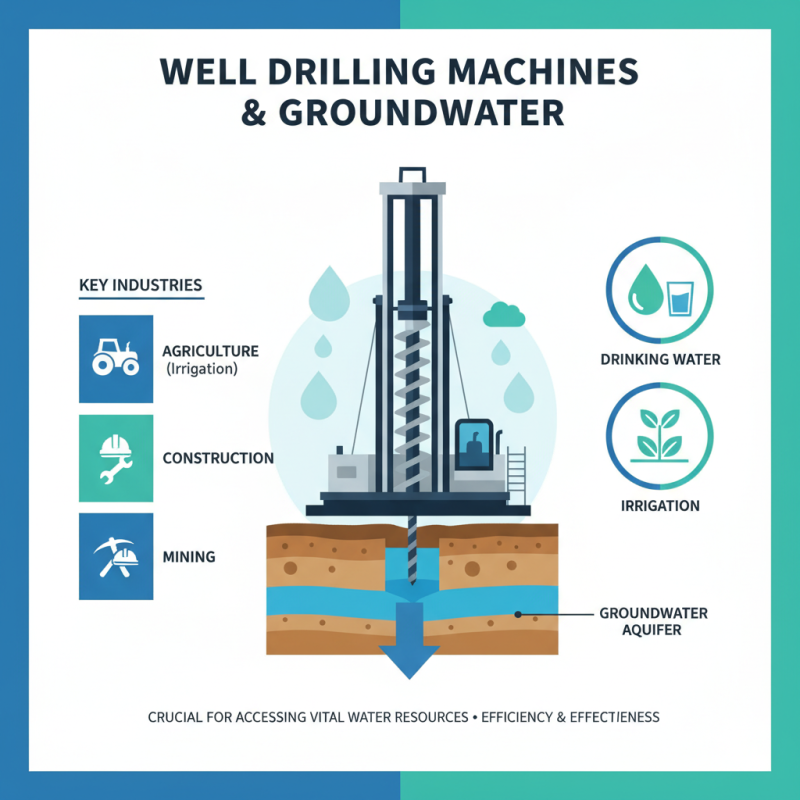
Well drilling machines play a crucial role in accessing groundwater. These machines are the backbone of many industries, including agriculture, construction, and mining. Operators rely on them for efficiency and effectiveness. Groundwater is essential for irrigation and drinking water. Thus, understanding these machines is vital.
Different types of machines are used for well drilling. For instance, rotary drilling rigs are often preferred for their speed and versatility. These machines can penetrate various soil types. However, they require skilled operators. Inexperienced handling can lead to inefficiencies or even accidents.
Maintenance is vital for the longevity of well drilling machines. Regular checks ensure they function correctly. Neglecting maintenance can result in costly repairs and downtime. Furthermore, operators must stay updated with technological advancements. Newer methods may offer better efficiency or safety. Exploring these aspects can lead to improved operations and reduced environmental impact.
Types of Well Drilling Machines: A Comprehensive Guide
Well drilling machines are essential in various sectors, from agriculture to construction. They come in various types, each designed for specific tasks. Rotary drilling machines, for instance, utilize a rotating drill bit to penetrate the earth, often reaching depths of up to 30,000 feet. This technology is crucial in oil and gas extraction, a sector that generated approximately $3.3 trillion in 2022, according to the global energy report.
Cable tool drilling is another method used mainly in water well drilling. This type of machine uses a heavy bit that is lifted and dropped to break rock. While effective, this method may be slower and less efficient than rotary systems. It's reported that around 50% of water wells in rural areas rely on cable tool drilling, highlighting its importance in those communities. However, this method can cause significant wear and may require more maintenance, underscoring the need for careful consideration of the right technology.
Air rotary and dual rotary drills represent advanced options available today. Air rotary systems use compressed air to remove cuttings, improving drilling speed. Meanwhile, dual rotary systems combine techniques for greater efficiency. These advancements have led to a substantial reduction in operational costs, essential for companies looking to improve margins. Nevertheless, industry professionals must continuously assess their equipment's performance and suitability for specific projects. Technology evolves quickly, and staying updated is vital.
Top 10 Well Drilling Machines You Need to Know About
| Machine Type |
Drilling Depth (ft) |
Drill Diameter (inches) |
Power Source |
Weight (lbs) |
| Rotary Drill |
3000 |
14 |
Diesel |
9000 |
| Cable Tool Drill |
1500 |
12 |
Electric |
4500 |
| Air Rotary Drill |
2000 |
10 |
Air Compressor |
5000 |
| Hydraulic Drill |
2500 |
16 |
Hydraulic |
7000 |
| Sonic Drill |
1800 |
8 |
Electric |
3500 |
| Auger Drill |
1200 |
6 |
Gasoline |
2000 |
| Directional Drill |
4000 |
10 |
Diesel |
8000 |
| Portable Drill |
600 |
4 |
Electric |
1500 |
| Thermal Drill |
3000 |
12 |
Electric |
6000 |
| Geothermal Drill |
2500 |
8 |
Diesel |
7000 |
Top 10 Well Drilling Machines: Features and Specifications
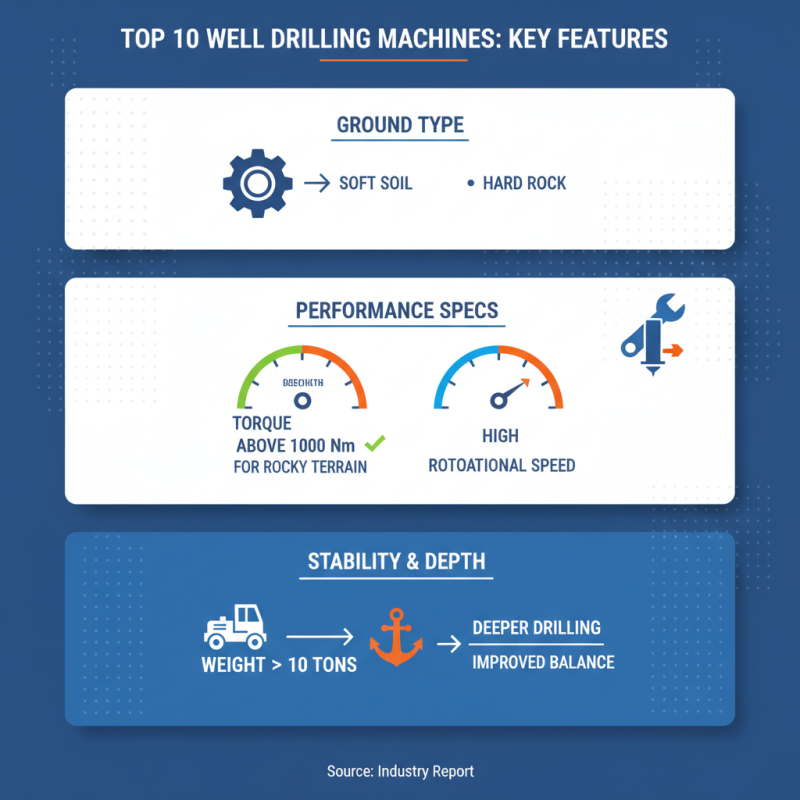
When exploring the world of well drilling machines, several key features stand out. These machines are designed for various ground types, influencing their specifications. For instance, the drill's torque and rotational speed are crucial for penetrating hard rock. According to a recent industry report, machines with higher torque ratings (above 1000 Nm) tend to be more effective in rocky terrains. Additionally, weight plays a significant role in stability and drilling depth. Machines weighing over 10 tons can typically achieve deeper penetrations without compromising balance.
Hydraulic systems are another vital component. Robust hydraulic pumps not only enhance efficiency but also reduce wear and tear. Research suggests that machines equipped with advanced hydraulic technologies can drill up to 30% faster than their traditional counterparts. However, operators often fail to consider maintenance needs. Regular checks on hydraulic fluid levels can prevent costly malfunctions. The need for skilled operators is evident here; expertise can greatly affect how efficiently a machine performs.
Another important aspect is portability. Lightweight machines offer flexibility but may sacrifice power. It's a trade-off that needs careful consideration. Operators must balance their needs depending on the project. A machine's specifications should be closely analyzed, focusing on application. Continuous evaluation leads to better choices and can prevent budget overruns in the long run.
Factors to Consider When Choosing a Well Drilling Machine
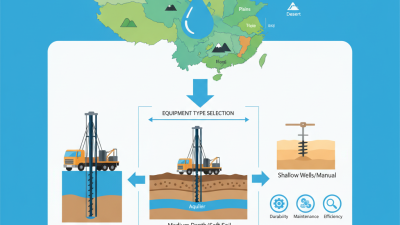
Choosing the right well drilling machine requires careful consideration of several factors. First, assess the type of soil and rock formations in your area. According to the 2022 Water Well Report, a significant percentage of drilling failures are linked to not understanding geological conditions. Understanding the geology ensures you pick a machine that can handle the specific materials.
Another key factor is the required depth and diameter of the well. Machines vary in their drilling capabilities. Some models can reach depths of over 1,500 feet, while others may only handle shallow wells. The drilling method also plays a role. Rotary drilling, for example, is efficient for hard rock, while pneumatic methods can be better for softer materials.
Maintenance and operational costs are vital considerations, too. The same 2022 report highlighted that improper maintenance can lead to a 30% increase in operating costs. Regular service checks prolong machinery life but often get overlooked. Ultimately, making an informed choice requires thorough research and an understanding of these critical aspects.
Future Trends in Well Drilling Technology and Innovations
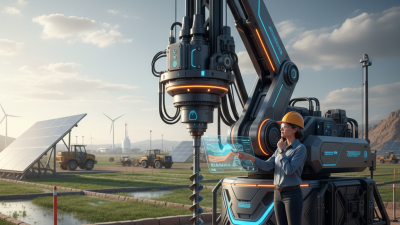
The future of well drilling technology is marked by significant trends. Automation is taking center stage. Advanced machines now operate with minimal human intervention. This reduces errors and increases efficiency. Innovations in sensor technologies enhance drilling precision. Real-time data collection allows for better decision-making.
The shift towards sustainability is notable too. New technologies are minimizing environmental impact. Energy-efficient machinery uses less fuel while maintaining performance. Moreover, designs are evolving to utilize renewable energy sources. Solar-powered systems are emerging, lowering operational costs. A focus on eco-friendly practices is reshaping the industry.
Despite advancements, challenges remain. Integration of new technologies can be slow. Not all operators are ready for automation. Skilled workers must adapt to changing roles. Training and education in emerging technologies are crucial. The path forward holds promise but requires reflection on current practices. Embracing change while addressing potential setbacks is key for future growth.