10 Best Crown Blocks for Efficient Lifting Solutions?
In the realm of lifting solutions, Crown Blocks play a pivotal role. These essential components enhance the efficiency and safety of heavy lifting operations. Renowned industry expert John Smith, who has over 20 years in the field, emphasizes, "The right Crown Block can drastically improve lifting capabilities." This statement underlines the necessity of selecting high-quality Crown Blocks for construction and rigging applications.
Crown Blocks facilitate the smooth transfer of loads. They help in reducing wear and tear on equipment. Yet, not all Crown Blocks are created equal. Careful consideration of design, weight capacity, and materials is essential. Various models exist, each offering unique benefits. Ensuring the right fit for specific tasks can be challenging, yet it's a crucial decision in maintaining operational efficiency.
Finding the best Crown Blocks demands research. Reviews and expert opinions can guide selections. However, it's important to reflect on understanding these tools thoroughly. Poor choices can lead to inefficiencies or even accidents. The quest for the best Crown Blocks is a journey that requires diligence and expertise.
Understanding Crown Blocks: Key Components and Functions
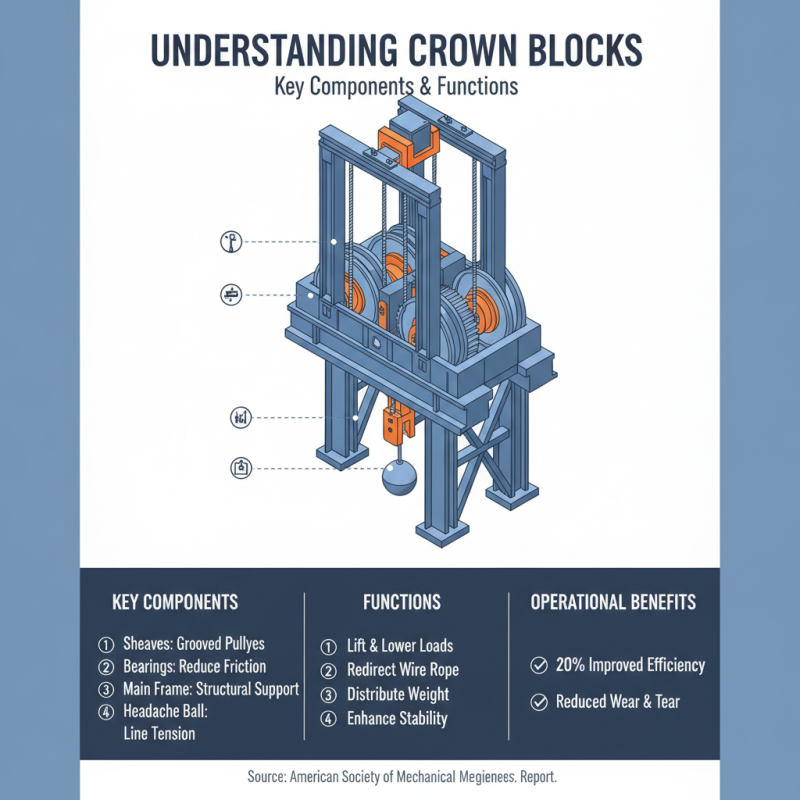
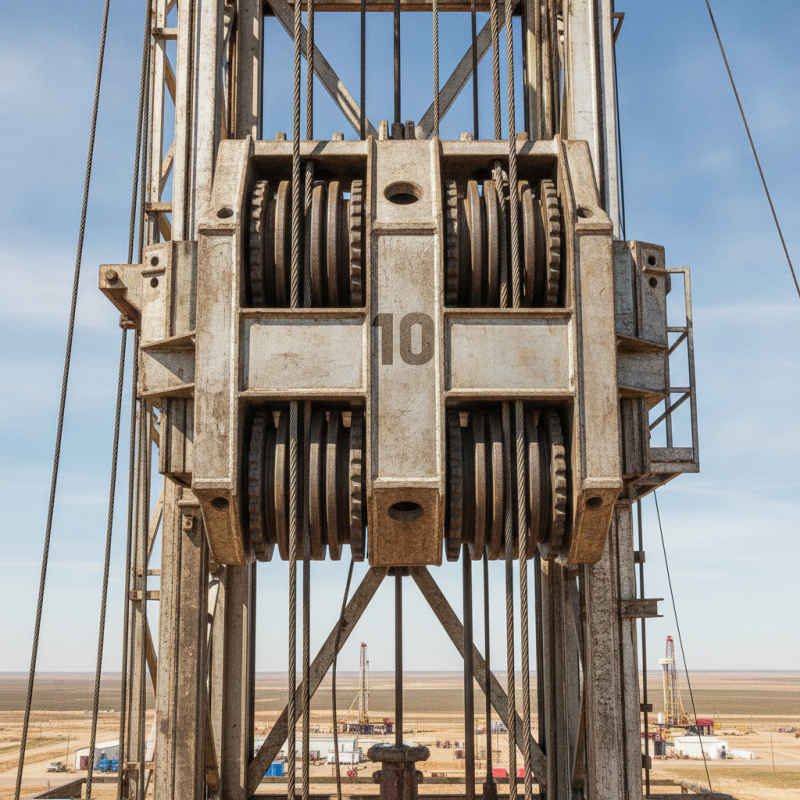
Crown blocks play a crucial role in lifting operations, serving as essential components in rigging systems. They are designed to support heavy loads while minimizing friction and wear. A report by the American Society of Mechanical Engineers notes that effective use of crown blocks can improve lifting efficiency by up to 20%. This efficiency can significantly impact operational budgets, especially in large-scale projects.
Understanding the components of a crown block is vital. It typically consists of sheaves, lubricants, and frames. The sheaves must be crafted from durable materials, as they endure significant stress. Research indicates that using high-strength alloys can enhance the lifespan of these components. Regular inspections are necessary to identify wear and tear, helping prevent accidents or equipment failures. However, many companies overlook this critical aspect, which can lead to costly downtime.
The design of crown blocks should also consider the environment in which they operate. For instance, exposure to harsh conditions can result in quicker deterioration. Maintenance practices must adapt to these challenges. Awareness of load capacities is also essential. A study highlighted that operating beyond stated limits increases the risk of mechanical failure. Organizations must train their teams on proper usage and maintenance protocols to ensure safety and efficiency.
Types of Crown Blocks: A Comparative Overview
Crown blocks are vital for lifting in various industries. They come in different types, each with specific functions. Understanding these types can help you select the right one for your lifting needs.
The first type is the single sheave crown block. It is simple and lightweight, suitable for small-scale operations. However, its limited capacity may not meet all lifting requirements. In contrast, the two-sheave crown block provides increased strength for heavier loads. It balances efficiency and versatility but can be bulkier and more complex to install.
Another option is the triple sheave crown block. This design maximizes lifting capabilities but can be costly. Moreover, it requires careful maintenance to ensure safety. Each type has strengths and weaknesses. The choice ultimately relies on the specific lifting demands and operational context. Remember, it's essential to evaluate both technical specifications and real-world performance before making a decision.
10 Best Crown Blocks for Efficient Lifting Solutions - Types of Crown Blocks: A Comparative Overview
| Crown Block Type |
Weight Capacity (tons) |
Sheave Diameter (inches) |
Material |
Applications |
| Standard Crown Block |
10 |
16 |
Steel |
Drilling and Hoisting |
| Lightweight Crown Block |
5 |
12 |
Aluminum |
Construction |
| Heavy-Duty Crown Block |
20 |
24 |
Steel |
Mining |
| Compact Crown Block |
8 |
14 |
Composites |
Rigging |
| Modular Crown Block |
15 |
18 |
Steel |
Offshore Drilling |
| Double Sheave Crown Block |
12 |
22 |
Steel |
Maintenance |
| Single Line Crown Block |
7 |
15 |
Aluminum |
Light Lifting |
| Electric Crown Block |
25 |
30 |
Steel |
Automated Lifting |
| Hydraulic Crown Block |
18 |
20 |
Steel |
Heavy Machinery |
| Custom Crown Block |
Varies |
Varies |
Varies |
Tailored Solutions |
Criteria for Selecting the Best Crown Blocks for Lifting
When selecting crown blocks, a few critical criteria must guide your decision. The load capacity is paramount; a block should handle more than the maximum anticipated load to ensure safety. For example, many industry reports suggest blocks should exceed the load by at least 25%. This margin accounts for unexpected variables like dynamic loads and equipment wear.
Maintenance requirements also play a role. A reliable block should be easy to inspect and maintain. Many failures in lifting equipment originate from insufficient maintenance protocols. Operators should consider accessibility when inspecting various components. Additionally, choosing materials that withstand environmental conditions is essential. For instance,
stainless steel is often recommended for corrosive environments, boosting longevity and safety.
Another factor is the
size and weight of the crown block. It should fit your existing lifting system without adding excessive weight. An overly bulky block can complicate operations, slowing efficiency and increasing costs. For an effective solution, operators must balance the weight and performance of the lifting system against operational demands. Ultimately, the best crown block aligns with specific lifting needs while prioritizing
durability and
reliability in dynamic environments.
Top 10 Crown Blocks: Features, Benefits, and Applications
Crown blocks are essential components in lifting solutions across various industries. Their design and functionality impact efficiency significantly. A high-quality crown block features durable materials. This enhances its lifespan and reduces operational costs. Many users appreciate the lightweight nature, which allows for easier handling during installation.
The benefits of using crown blocks are numerous. They can elevate heavy loads with minimal effort. Operators report a smoother lifting process with reduced wear on equipment. Applications range from construction sites to shipping yards, showcasing their versatility. However, it’s crucial to regularly inspect these blocks. Neglecting maintenance can lead to unexpected failures.
Professionals emphasize the importance of selecting the right crown block for specific tasks. Each project might require different load capacities and configurations. Understanding these requirements is vital to ensure safety and efficiency. Some users have faced challenges in adapting to their specific lifting needs, prompting a need for better customization options. Investing time in research and choosing wisely pays off in the long run.
Maintenance Tips for Optimal Performance of Crown Blocks
Crown blocks play a vital role in lifting operations. They help to manage heavy loads efficiently. However, maintaining these blocks is crucial for optimal performance. Regular checks can prevent failures and increase longevity.
One important tip is to inspect the sheaves for wear. Worn sheaves can lead to rope damage. Check for any grooves or cracks. Additionally, ensure bearings and pins are lubricated properly. Insufficient lubrication can cause undue friction and wear.
Another critical aspect is to assess the alignment of the crown block. Misalignment affects load distribution. A simple level check can reveal issues. If misalignment is found, immediate adjustments are necessary. Regularly reviewing these factors can significantly enhance operational efficiency.
Top 10 Crown Blocks for Efficient Lifting Solutions