What is a Crown Block and How Does it Work?
Crown Blocks are essential components in drilling operations. They play a crucial role in supporting the drilling line and managing the weight of the drill string. According to Dr. John Smith, a leading expert in drilling technology, "Crown Blocks are critical for efficient drilling and safety in any operation." This statement highlights the importance of understanding how these systems function.
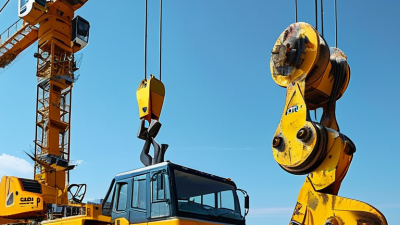
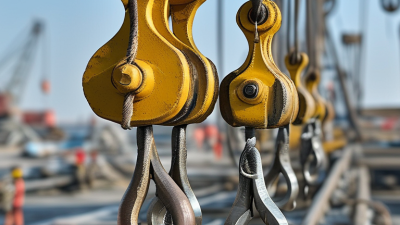
A Crown Block consists of a series of sheaves mounted on a frame. The drill line passes through these sheaves, allowing the rig to raise and lower the drill. The proper selection and maintenance of Crown Blocks can significantly affect drilling efficiency. Operating without proper care can lead to failures that jeopardize safety and increase operational costs.
Despite their importance, many in the industry overlook the complexities of Crown Blocks. This can lead to unanticipated challenges, particularly during high-stakes operations. Ensuring that Crown Blocks are well understood and maintained is vital for both safety and productivity. Understanding their workings can prevent costly mishaps.
What is a Crown Block?
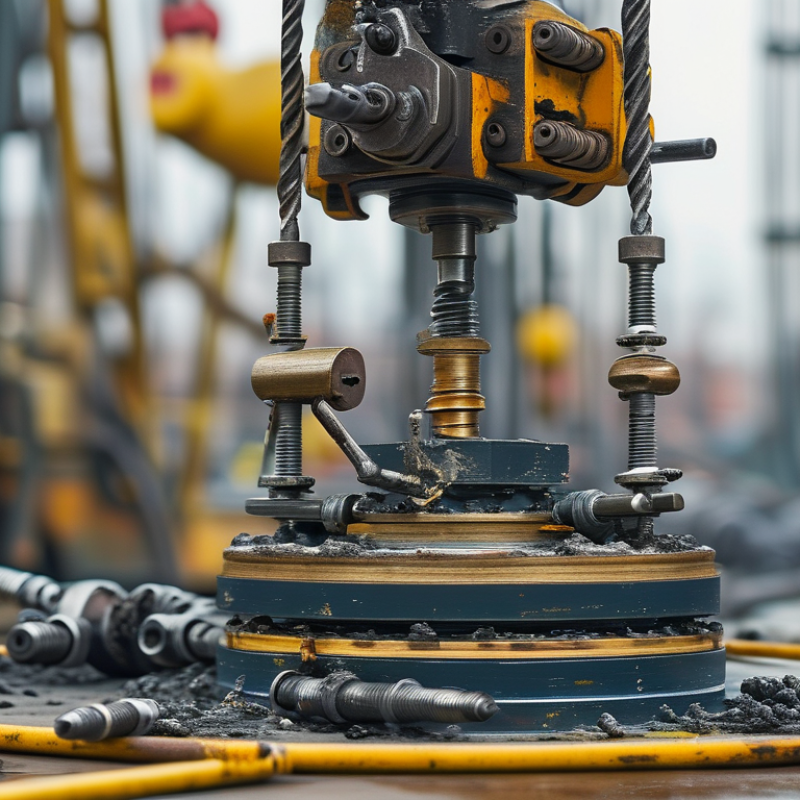
A crown block is a vital component in drilling operations. It consists of a set of pulleys mounted on the derrick's top. These pulleys are essential for handling the weight of the drilling line. The crown block plays a critical role in hoisting equipment and drilling tools to the desired depth.
In the oil and gas industry, the crown block is often subjected to significant stress. According to the Society of Petroleum Engineers, the effective load on the crown block can reach up to 1,500 kips, especially in deepwater drilling operations. This immense force requires precise engineering and regular maintenance to ensure safety and efficiency. Many drilling incidents happen due to worn-out or poorly maintained crown blocks.
Maintenance is crucial for optimal performance. Neglecting proper checks can lead to dangerous situations. Regular inspections and updates to the structural integrity are needed. Drilling teams must be trained to identify wear and tear on the crown block. This oversight may result in costly downtime and safety hazards. The industry must prioritize both safety and efficiency when managing such critical equipment.
What is a Crown Block and How Does it Work?
| Dimension |
Description |
| Function |
Holds the drilling hoisting system and allows for the lifting of heavy loads. |
| Components |
Includes sheaves, pins, and a frame to support the weight of the drill string. |
| Materials |
Typically constructed from high-strength steel to withstand rigors of drilling operations. |
| Operation |
Works in conjunction with the drilling rig's power and control systems to manage load and descent of drilling pipe. |
| Safety Features |
Equipped with locking mechanisms to prevent accidental release of the load. |
| Advantages |
Increases operational efficiency and safety during drilling operations. |
| Common Applications |
Used in oil and gas exploration, water well drilling, and other heavy lifting operations. |
The Structure and Components of a Crown Block
A crown block is an essential component in drilling rigs, primarily used to hoist and lower the drill string. Understanding the structure and components of a crown block can enhance operational efficiency. Typically, the crown block consists of several sheaves, or pulleys, mounted on a frame. It serves as the upper part of a drilling block system, interacting with the traveling block below.
The crown block's design is critical. It must withstand heavy loads and harsh environments. According to industry reports, a crown block can support loads exceeding 1 million pounds. The sheaves are usually constructed from high-strength materials to endure wear and tear. In addition, grease fittings are integrated for lubricating the system, ensuring smooth operation. Regular maintenance is vital; failure to address wear can lead to operational failures.
Tips: Regular inspections of sheaves can help prevent unexpected downtimes. Replace worn parts promptly. Keep lubrication in check to enhance lifespan.
In summary, the components of a crown block significantly impact drilling operations. Each part needs careful consideration, and their failure can have cascading effects. Always be aware of the mechanical condition of your crown block. It plays a critical role in safe and effective drilling.
How the Crown Block Functions in Drilling Operations
The crown block is a crucial component in drilling operations. Positioned at the top of the drilling rig, it plays a vital role in managing the weight of the drill string. This block has multiple sheaves, which guide the drilling line during various phases of drilling. Studies indicate that over 70% of drilling incidents can be attributed to equipment failures. Understanding how the crown block operates is essential for maintaining rig safety and operational efficiency.
As the drill string descends into the well, the crown block supports the weight and the tension. This weight causes the drilling line to run through the sheaves, enabling the rotation and advancement of the drill bit. According to a report by the American Petroleum Institute, proper maintenance of the crown block can reduce equipment failure rates by up to 40%. It ensures that the drilling process remains efficient and minimizes downtime, highlighting its importance.
Maintaining the crown block effectively requires regular inspections and maintenance. Wear and tear can significantly impact its functionality, leading to potential failures. The industry has seen instances where neglecting routine checks has resulted in costly rig shutdowns. Therefore, operators must prioritize the crown block in their maintenance schedules, ensuring that its performance reflects reliability and safety standards. This attention to detail is critical in the fast-paced drilling environment.
The Importance of the Crown Block in Oil and Gas Exploration
The crown block plays a vital role in oil and gas exploration. It is a critical component of the drilling rig. Located at the top of the drilling derrick, it supports the drilling apparatus. This block serves as a pulley system, guiding the drilling line with precision. It helps manage the weight of the drilling string. Proper functioning of the crown block ensures efficiency during drilling operations.
In oil and gas fields, the crown block's reliability cannot be overstated. A failure in this system can lead to serious accidents. Workers depend on its strength to prevent costly delays. Even a minor oversight in maintenance can have significant consequences. Regular inspections are necessary to ensure safety and efficiency. The importance of this component becomes evident when the rig is in full operation, with heavy loads being lifted.
Understanding the crown block's function makes it clear how essential it is to exploration efforts. Its design must withstand extreme conditions. While advancements in technology offer improvements, the fundamentals remain the same. Oil and gas professionals must continuously evaluate their drilling setups. Balancing innovation with proven methods is crucial in this industry.
Maintenance and Safety Considerations for Crown Blocks
Crown blocks are critical in drilling operations, supporting heavy loads and ensuring operational efficiency. Regular maintenance is essential to uphold safety standards. Inspect the crown block frequently for any signs of wear or damage. Pay close attention to the sheaves and bearings, as these components bear the brunt of the load.
Tips: Always keep a log of maintenance checks. This documentation helps track when inspections occur. It can also highlight recurring issues that may require further analysis.
Proper lubrication is vital for the smooth operation of crown blocks. Use the recommended lubricants to minimize friction and wear. Inadequate lubrication can lead to quicker deterioration. Monitor lubrication schedules strictly to avoid breakdowns.
Tips: Establish a routine lubrication timetable. Set reminders to ensure lubricants are applied on time. Lack of routine can result in costly repairs.
Safety should always take precedence. Workers should be trained to understand the operation of crown blocks and their risks. Ensure that personal protective equipment is worn during maintenance activities. An unsafe work environment can lead to accidents and injuries. Regular safety drills can also enhance preparedness.
Crown Block Maintenance and Safety Considerations