Top 10 Rope Block Sheaves Buyers Guide for Global Procurement?
In the world of material handling, choosing the right equipment is crucial. Rope Block Sheaves play a key role in lifting and rigging applications. They improve efficiency and safety. However, not all sheaves are created equal. Understanding their features helps in making informed decisions.
This guide presents the top ten Rope Block Sheaves for global procurement. Each option is evaluated based on quality, durability, and performance. The right choice can significantly impact operations. Factors like load capacity and environmental conditions are important. Some sheaves excel in specific applications, while others are more versatile.
When selecting a Rope Block Sheave, consider supplier credibility. Research their track record. A reliable supplier enhances your procurement process. Evaluate customer feedback. Real experiences often reveal strengths and weaknesses. The right sheave contributes to safer, more efficient operations.
Understanding Rope Block Sheaves: Definition and Function
Understanding Rope Block Sheaves: Definition and Function
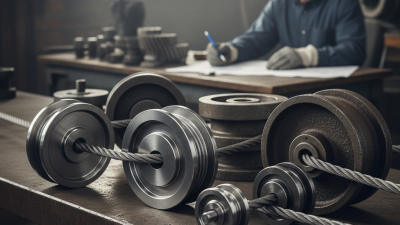
Rope block sheaves are critical components in various mechanical systems. They facilitate the smooth movement of ropes and cables, reducing wear and tear. These sheaves are often found in cranes, elevators, and marine equipment. Their design allows for the efficient transfer of load, making them indispensable in heavy lifting and rigging applications.
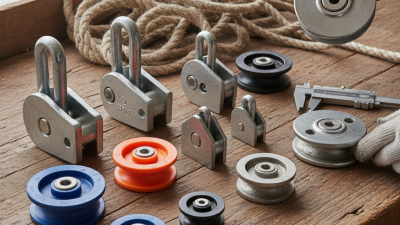
When choosing rope block sheaves, consider their material. Steel sheaves are durable but heavier, while composite materials are lighter and resistant to corrosion. Both options have unique advantages and limitations. Assessing the specific needs of your application will guide your decision-making.
Tips: Regular maintenance is essential. Check for wear and tear during inspections. Look for cracks or significant abrasions, as these may indicate potential failure. Make it a habit to lubricate the sheaves to ensure smooth operation. Remember, even minor issues can lead to major problems down the line.
Furthermore, choose the right size for your ropes. Misalignment can cause inefficient operation. Too small a sheave can lead to increased friction. Too large may not provide adequate support. Balance is key for performance and longevity. Always evaluate your operational demands before procurement.
Key Factors to Consider When Buying Rope Block Sheaves
When purchasing rope block sheaves, several key factors warrant attention. The material of the sheave significantly affects performance and longevity. Steel sheaves are durable but heavy. Plastic options are lighter yet may lack the strength needed for heavy loads. Industry reports indicate that using the right materials can increase the sheave's lifespan by up to 50%. Consider also the load capacity that the sheave can handle. Choosing one with a rating below your requirements can lead to premature failure.
Tips: Always check the manufacturer's specifications for load ratings and materials. This can save time and money in the long run.
The sheave diameter is another critical consideration. A larger diameter reduces friction on the rope. Friction can lead to wear over time, which shortens the life of both the sheave and the rope. A study found that sheaves with a diameter-to-rope ratio of 8:1 perform best in terms of durability. Additionally, the groove design impacts the rope's compatibility. Poorly designed grooves can cause the rope to slip or damage over time, decreasing efficiency.
Tips: Take measurements of your existing rigging components. Ensure that your new sheaves fit seamlessly into your system. This can prevent installation issues and ensure optimal performance.
Top 10 Rope Block Sheaves Buyers Guide
Top Global Brands and Manufacturers of Rope Block Sheaves
When exploring the market for rope block sheaves, understanding major global brands and manufacturers is essential. Research indicates a steady growth in the construction and marine industries, with the rope sheave market projected to expand at a CAGR of 4.5% from 2023 to 2030. This signals a robust demand driven by applications in lifting and rigging systems. Many companies focus on material innovation and design efficiency to meet user needs.
Key players often emphasize safety and durability. Traditional materials like steel are evolving, incorporating lightweight composites without compromising strength. The efficiency gains from these advancements are tangible. Users cite significant improvements in overall system performance, but challenges remain in ensuring widespread compatibility across equipment.
Tip: It’s crucial to assess the compatibility of sheaves with your existing rigging systems before purchasing.
While many manufacturers highlight product longevity, the choice often hinges on specific usage scenarios. Industrial environments may require specialized solutions. Manufacturers are encouraged to address user feedback continuously to refine their offerings. The growing focus on sustainability also means that leading brands must innovate.
Tip: Always stay informed about industry trends to make sound procurement decisions.
Comparative Analysis of Material Types Used in Sheaves
Sheaves play a crucial role in various lifting and hauling applications. The material type chosen for a sheave directly affects its performance and durability. Common materials include steel, aluminum, and nylon. Each of these materials offers unique advantages and disadvantages.
Steel sheaves are known for their strength and resilience. They withstand heavy loads and high wear and tear. However, their weight can be a downside in mobile applications. Aluminum sheaves are lighter and resist corrosion. They provide a good balance between strength and weight, making them ideal for portable systems. Yet, they may not handle the same load capacity as steel.
Nylon sheaves are lightweight and resistant to corrosion, which is valuable in harsh environments. They operate quietly and reduce the risk of damaging cables. However, their strength can be a limitation under extreme loads. Choosing the right material requires careful consideration of the specific application. Factors such as load capacity, environmental conditions, and user needs must be assessed. Processing and manufacturing inconsistencies can also affect the sheave performance, leading to potential risks.
Best Practices for Maintenance and Utilization of Rope Block Sheaves
Rope block sheaves are essential in various industries, including construction and shipping. Regular maintenance ensures their longevity and performance. According to a recent industry report, proper maintenance can extend the life of sheaves by up to 30%. This principle emphasizes the importance of routine inspections.
Utilization practices also impact sheave performance significantly. Operators should identify optimal loading capacities to prevent premature wear. The National Institute of Occupational Safety and Health (NIOSH) recommends maintaining a load below 75% of the sheave’s rated capacity. This practice minimizes stress and prevents failure.
Proper lubrication is often overlooked. Regular grease application can reduce friction and wear. Interestingly, a survey indicated that nearly 40% of users neglect this essential maintenance step. Addressing this gap can enhance operational efficiency and ensure safety. Regular training for staff can further promote awareness of these practices.