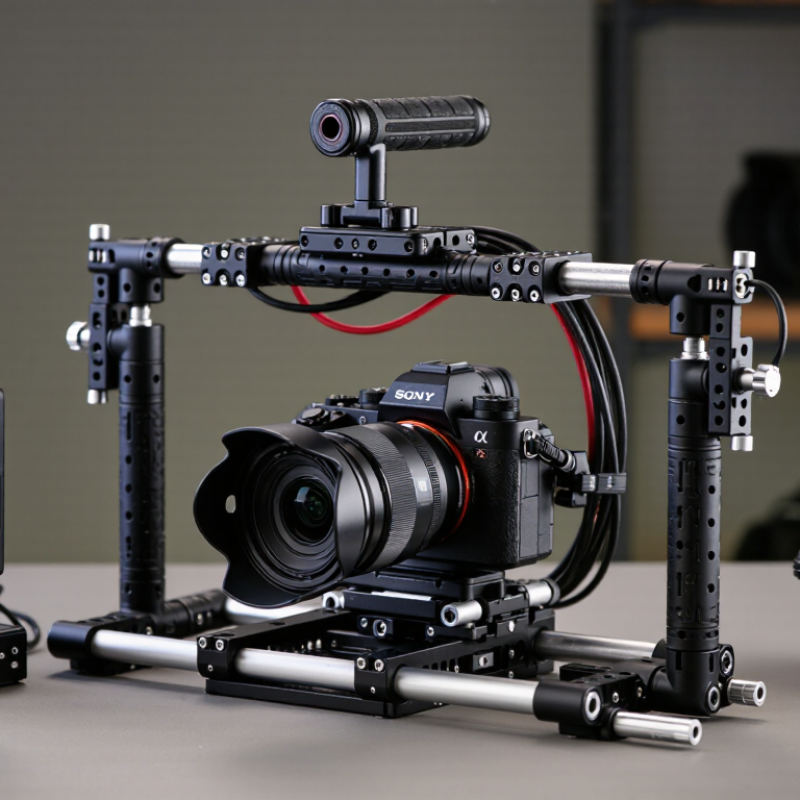
In 2026, the best camera rig is not necessarily the most expensive or complicated one. The right accessories make a setup steadier, easier to adjust, and more comfortable during long shoots. Rig Accessories can include handles, mounting plates, clamps, monitor arms, cable guides, and power solutions. Small parts matter.
A reliable shortlist should start with compatibility and intended use. Check the rig’s mounting points, camera weight, and accessory limits before adding equipment. A monitor arm should hold its position without blocking controls. A quick-release plate should lock securely and match the camera or baseplate. Cable clips can prevent loose leads from snagging, though they cannot fix poor routing. Fit comes first.
The most useful choices depend on the work. A handheld operator may value a comfortable top handle and a balanced shoulder pad. A tripod-based setup may benefit more from a sturdy plate and manageable cable layout. For location shoots, compact power options and protective cases can reduce interruptions. These examples are practical starting points, not universal recommendations. Even a well-reviewed part may loosen, add unwanted weight, or fail to suit a particular build.
This guide will compare popular accessory types by function, compatibility, durability, and ease of use. It will also note where a lower-cost option may be adequate, and where careful testing is wise. Product specifications change, so confirm current fit details before buying. A tidy rig helps, but it does not replace safe handling or a properly balanced setup.
Rig accessories are small components that control how a fishing setup presents bait, transfers movement, and handles line stress. Their value is practical: a swivel can reduce line twist, a leader can add abrasion resistance, and a sinker can help place bait near the intended depth. Hooks, snaps, beads, and floats each serve a specific purpose, but adding more parts does not automatically improve a rig.
The 2024 Special Report on Fishing, published by the Outdoor Foundation with the Recreational Boating & Fishing Foundation, estimated that 57.7 million Americans went fishing in 2023. That broad participation makes clear gear guidance useful, though the report does not measure accessory performance.
Match components to conditions: check leader strength against likely snags, use a sinker that holds in the current, and inspect knots before casting. Small details matter. A neat-looking rig can still fail at a poorly tied knot. That is easy to overlook.
Choose corrosion-resistant hardware for saltwater, and rinse it after use. Replace bent hooks and cracked clips rather than trusting them for one more trip. The best accessory is often the simplest one that solves a real problem.
In 2026, rig accessories generally fall into a few practical categories. For camera and production rigs, mounting hardware comes first: quick-release plates, clamps, handles, and adjustable arms help position equipment securely. Check each connection for movement before filming. A small shift can spoil a carefully framed shot.
Power accessories form another essential group. Battery plates, regulated power cables, and compact distribution hubs keep cameras, monitors, and transmitters running together. Cable management matters, too. Straps and guides reduce snags around moving parts, though an overly tight bundle can make adjustments frustrating. Leave enough slack for the rig’s full range of motion.
Monitoring and control tools include on-camera displays, viewfinders, remote controls, and wireless video links. Protective accessories add weather covers, padded cases, and lens or screen guards for transport and outdoor work. Some setups also use shoulder supports, counterweights, or small lighting mounts to improve balance and flexibility. Choose parts by weight capacity, connection type, and actual shooting needs, rather than appearance alone. Compatibility can be fussy, and even a useful accessory may add more bulk than benefit. A brief test build often reveals that.
Main categories of camera rig accessories, shown by the number of representative accessory types in each category.
This chart compares the breadth of a curated accessory checklist, not sales, market share, or a popularity ranking. Accessory needs vary by camera and production setup.
What Are the Top Rig Accessories in 2026?
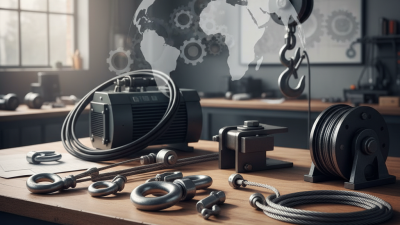
For lifting rigs, useful accessories make hazards easier to spot and loads easier to control. Rated slings, compatible shackles, and protective sleeves help keep connections secure and reduce abrasion on sharp edges. A calibrated load cell can show whether a lift is approaching its planned capacity. Small details matter. The U.S. Bureau of Labor Statistics reported 1,075 fatal work injuries in construction in 2023, including 421 from falls, slips, and trips. That figure is a reminder that safe setups need more than strong hardware; clear walkways and secure access steps matter too.
Stability starts where the rig meets the ground. Outrigger pads spread pressure across soft surfaces, while level indicators help operators spot uneven setups before lifting. Use them alongside the equipment maker’s load charts and site-specific checks; a pad cannot fix unstable ground. For better control, tag lines can help workers guide a suspended load from a safe position. They are simple, but they can snag or add risk when used carelessly.
Efficiency often comes from reducing guesswork. Clearly marked accessories, inspection records, and a consistent pre-lift check help crews find worn gear before work begins. Still, a tidy rig is not automatically a safe rig. Real sites change, and yesterday’s setup may not suit today’s ground or load. The BLS figures describe a broad industry risk, not the effect of any single accessory, so teams should assess each lift on its own.
Choose accessories around the rig’s actual job, not a shopping list. A handheld setup benefits from a light top handle, a secure side grip, and a short cable clamp. Keep it light. For tripod work, prioritize a quick-release plate and a monitor arm that locks firmly without blocking controls. Gimbal builds need balanced weight and tidy cables; even a small cable loop can catch during a pan. CIPA’s 2024 camera-shipment report recorded about 8.49 million digital cameras shipped worldwide, up from roughly 7.73 million in 2023. That growth signals varied camera use, but shipment totals cannot tell you which accessories fit your setup.
For longer handheld shoots, test the complete rig before adding more gear. The U.S. National Institute for Occupational Safety and Health’s Revised Lifting Equation uses 51 pounds as a theoretical starting limit under ideal lifting conditions, then adjusts for reach, twisting, and repetition. It is not a safe-weight rating for holding a camera, but it reinforces a useful point: distance and duration matter. Bring the monitor close, place batteries near the body, and choose a shoulder support only if it improves balance. I still tend to overbuild rigs. Remove one accessory at a time, then check whether focus, audio, and camera controls remain reachable. A neat rig can still feel awkward.
What Are the Top Rig Accessories in 2026?
Emerging Trends Shaping Rig Accessories in 2026
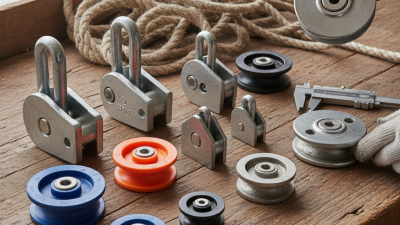
Fishing rig accessories in 2026 are trending toward modular designs, durable materials, and compact electronics. Quick-change clips, low-profile swivels, and adjustable weights help anglers adapt rigs without rebuilding them on the bank. Corrosion-resistant metals and dependable line connectors are practical choices around salt spray and repeated use. More features do not always mean better fishing.
Market context points to continued product development. Grand View Research estimated the global fishing equipment market at USD 15.4 billion in 2023, projecting 5.6% annual growth from 2024 to 2030. This broad market figure is not a forecast for rig accessories alone. The FAO’s 2024 State of World Fisheries and Aquaculture emphasizes sustainable aquatic food production, keeping material durability in focus. However, the report does not measure accessory sales, and lower-impact options can vary in performance.
Tips: Choose clips and swivels by breaking strength, not appearance. Test new connections with wet hands. Keep spare knots ready; small parts get lost.
| Accessory | Primary function | 2026 trend direction | Practical selection check |
|---|---|---|---|
| Camera cage | Adds mounting points and protects the camera body during rigged operation. | Modular cages with multiple threaded mounting points help users rearrange handles, monitors, and other components for different setups. | Confirm the cage is designed for the camera model and leaves access to ports, battery doors, and controls. |
| Quick-release plate | Speeds up moving a camera between compatible supports, such as a tripod and a handheld rig. | More workflows favor quick transitions, making secure, repeatable plate compatibility an important part of a modular setup. | Check the plate and receiver standard, locking mechanism, load rating, and whether the plate obstructs camera access. |
| Top handle and side handle | Provide grip points for carrying and controlled handheld operation. | Adjustable positioning and quick attachment support more ergonomic configurations across changing shot types. | Assess grip comfort, attachment security, clearance, and the combined weight of the fully built rig. |
| Monitor mount | Positions an external display for easier framing and focus checks. | Flexible, lockable mounts help operators reposition displays quickly while keeping the build compact. | Verify the mount’s payload capacity, adjustment range, locking strength, and compatibility with the monitor’s mounting interface. |
| Follow-focus system | Enables controlled, repeatable manual focus adjustments during recording. | Adaptable gearing and tool-free repositioning make it easier to use across lenses with different sizes and gear positions. | Check lens gear compatibility, mounting-rod spacing, focus direction, and available clearance. |
| Rod system and lens support | Supports accessories and can help reduce strain on a camera mount when a lens is heavy or extended. | Expandable rod-based builds remain useful where users need to add or reposition focus, matte-box, or lens-support components. | Confirm rod diameter and spacing, support adjustment range, and that the support contacts the lens appropriately. |
| Matte box and filter holder | Holds filters in front of the lens and can help control unwanted light entering the lens. | Flexible filter configurations help crews adapt to different lenses and lighting conditions without rebuilding the entire rig. | Check filter dimensions, lens coverage, mount type, and clearance to avoid vignetting at the intended focal lengths. |
| Battery plate and power distribution | Supplies power to compatible cameras and accessories from a shared battery source. | Cleaner power layouts and fewer loose cables are a practical priority as rigs combine more displays and wireless accessories. | Match voltage and connector requirements for every device; check the battery’s capacity and the plate’s rated output. |
| Cable clamps and cable guides | Route and secure cables to reduce snagging and strain on device connectors. | Purposeful cable routing is increasingly important on compact rigs with multiple power and signal connections. | Choose clamps that fit the cable diameter and mounting points without pinching cables or blocking ports. |
| Wireless video transmitter mount | Secures a transmitter on the rig for sending a video signal to a compatible receiver. | Compact, repositionable mounting helps keep wireless components accessible while balancing the camera build. | Check mounting compatibility, airflow around the device, antenna clearance, and cable reach. |
Selection note: “Top” depends on the camera, lens, shooting style, and payload. Confirm interface compatibility, load limits, and power requirements before combining accessories.