Explore trusted rig components for global markets
Fllow us:

  • shabang03
Leave Your Message

Where to Find the Best Crown Blocks in China?

China’s crown-block market deserves careful comparison, not a quick price search. A crown block carries drilling-line loads above the derrick, so its sheaves, bearings, frame, and rated capacity matter as much as the supplier’s location. Buyers should ask for traceable inspection records, material and load-test documentation, spare-parts availability, and clear warranty terms. A polished factory floor is useful to see. It is not proof of long-term performance.

The IEA’s Oil 2024 report projected global upstream oil and gas investment would rise by 7% in 2024, to about US$570 billion. That broader figure does not measure crown-block sales, but it signals continued capital spending across the equipment chain. API Specification 8C offers a relevant technical reference for drilling and production hoisting equipment. Use it to frame questions, then confirm the exact product requirements with a qualified rig engineer.

Where should buyers look in China? Compare manufacturers by documented capacity, engineering support, quality-control records, and evidence from comparable installations—not by catalogue claims alone. Ask to inspect a crown block’s sheave grooves and bearing housings, and request a factory acceptance test where appropriate. One point needs care: no source material was provided to verify a named expert’s exact quotation. I won’t invent one. A dependable buying guide should distinguish verified data from sales language, even when that makes the answer less tidy.
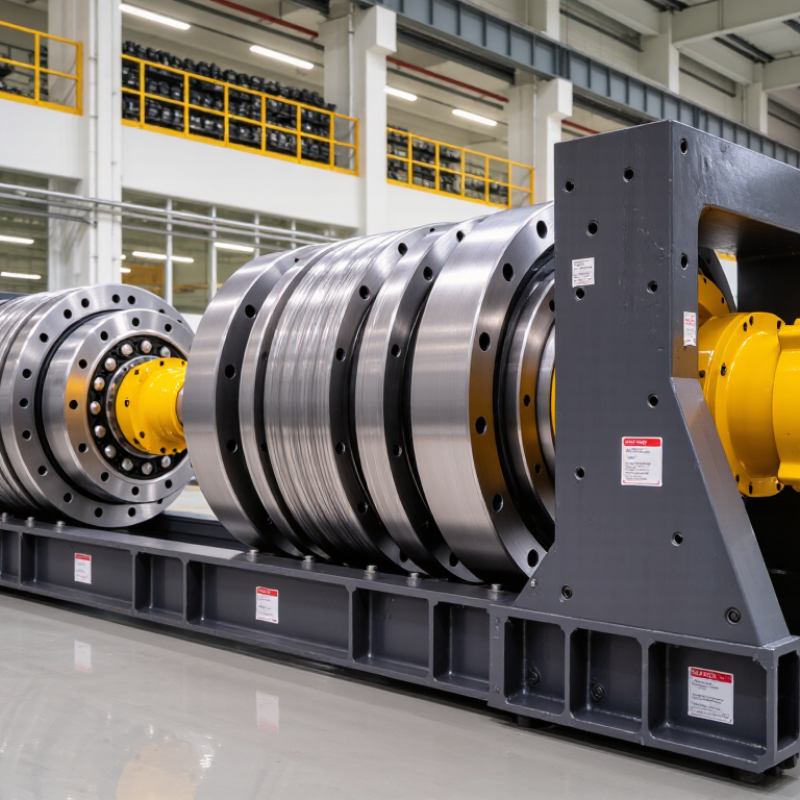
Where to Find the Best Crown Blocks in China?

What Crown Blocks Are and How They Function

A crown block is the fixed assembly of grooved sheaves mounted at the top of a drilling derrick. Steel drilling line passes over these sheaves and connects to the traveling block below. Together, the blocks form the hoisting system that raises or lowers the drill string. Think of the crown block as a pulley system, not a motor: the drawworks moves the line, while the blocks redirect it and distribute the suspended load.

The IADC Drilling Manual’s reeving diagrams explain how line parts support the traveling block. In a six-part line, six rope sections share the load, giving an ideal mechanical advantage of about 6:1 before friction and other losses. That is a useful calculation, not a field rating. Actual performance depends on sheave condition, alignment, lubrication, line wear, and the equipment’s rated capacity. API Specification 8C sets design and verification requirements for drilling and production hoisting equipment, including crown blocks. Operators should check the unit’s nameplate and inspection records against its intended service. A clean-looking sheave can still hide wear in its groove. It is easy to underestimate that detail.

Where to Find the Best Crown Blocks in China? - What Crown Blocks Are and How They Function

Topic Information Function or Sourcing Check
What a crown block is A stationary assembly of sheaves mounted at the top of a drilling derrick or mast. It works with the traveling block to guide the drilling line and form the rig’s hoisting system.
How it functions The drilling line is reeved between the crown block and traveling block. As the drawworks winds in or pays out the line, the traveling block moves up or down to raise or lower the suspended load.
Main components Frame, sheaves, shafts, bearings, guards, and lubrication provisions; the exact arrangement varies by design. Confirm that the assembly is compatible with the rig’s reeving arrangement and intended drilling line.
Capacity Rated capacity is model-specific and depends on the design and intended service. Compare the rated load and applicable operating limits with the rig’s requirements. Do not select by appearance or sheave count alone.
Sheaves and drilling line Sheave size, groove profile, and line diameter must be compatible with the drilling line and reeving system. Ask for drawings and dimensional specifications, and verify compatibility with the rig manufacturer’s requirements.
Standards and documentation API Specification 8C covers drilling and production hoisting equipment. Request the applicable standard and edition, rated-load documentation, inspection records, material traceability, and test documentation for the specific unit.
Potential sourcing area: Dongying, Shandong Dongying is associated with China’s oilfield equipment industry. Use it as a starting point for supplier research; verify that each supplier actually makes or services crown blocks and can provide relevant technical records.
How to assess a supplier Compare technical capability, manufacturing quality controls, inspection support, spare-parts availability, and delivery terms. Request a model-specific quotation, outline drawing, load rating, sheave and line compatibility details, warranty terms, and references for comparable equipment.
Safe operation and maintenance Inspection and maintenance needs depend on the design, service conditions, and applicable procedures. Follow the equipment manual and site safety rules; have qualified personnel inspect the unit and remove damaged or suspect equipment from service.

Sourcing locations are leads, not supplier endorsements or rankings. Confirm specifications and compliance for the exact crown block and rig application before purchase.
Which Types of Crown Blocks Suit Different Lifting Needs

Where to Find the Best Crown Blocks in China?

Which Types of Crown Blocks Suit Different Lifting Needs

Crown blocks should match the rig’s lifting load, wire-rope size, and reeving arrangement. A block with several sheaves can distribute the line across more parts, supporting heavy drilling or workover operations. It also adds weight and requires enough space at the mast top. More sheaves are not automatically better.

For lighter loads or compact rigs, a smaller assembly may be easier to install and maintain. Check the sheave-groove profile against the rope diameter; poor matching can speed up wear. Bearing design matters, too. Sealed bearings can help keep dust and moisture out, while serviceable designs may suit sites with established maintenance routines. Fit matters.

When comparing Chinese suppliers, ask for rated-load documentation, material details, inspection records, and drawings showing dimensions and mounting points. Confirm the block suits the rig’s mast and the intended reeving plan, rather than relying on a headline capacity alone. This is easy to overlook. A careful review may take longer than expected, but it can reveal a mismatch before delivery. Have a qualified rigging or drilling engineer verify the selection and applicable operating limits.

What Standards Define a High-Quality Crown Block

Where to Find the Best Crown Blocks in China?

What Standards Define a High-Quality Crown Block

A high-quality crown block starts with a clear rated capacity, traceable materials, and documented testing. API Specification 8C covers design, manufacture, and testing requirements for drilling and production hoisting equipment. Buyers should request the applicable certificate, load-test records, and inspection history—not rely on a polished finish alone.

Details matter. Look closely at sheave grooves, bearing seals, welds, and corrosion protection. Uneven groove wear can damage the drilling line, even when the frame appears sound.

Inspection is just as important as manufacture. API Recommended Practice 8B describes four inspection categories for hoisting equipment, helping operators match inspection depth to equipment condition and service history. Ask suppliers to explain how their inspection records map to those categories. ISO 13535 is another useful reference for hoisting equipment requirements. Compare rated capacity, sheave size, line compatibility, and maintenance access against your rig’s actual operating conditions. A specification sheet is only a starting point. Field conditions can expose weaknesses that paperwork misses, so independent inspection may be worthwhile before acceptance. No single certificate proves long-term reliability. A careful review of standards, test records, and physical condition offers stronger evidence.

Which Chinese Manufacturing Regions to Explore

China’s crown-block suppliers are best evaluated by manufacturing capability, not province alone. Shandong is a useful region to explore, particularly around Dongying, where oilfield-equipment production has a strong presence. Ask whether a factory builds complete crown blocks or mainly supplies components. That distinction matters. Jiangsu offers a broad machinery base, while Hebei has metalworking and fabrication suppliers worth investigating. Regional labels can mislead, though; verify the actual workshop rather than relying on a directory address.

During a visit, look for machining capacity, controlled welding procedures, and clear inspection records. Request details for sheave diameter, groove dimensions, rated load, bearing arrangement, and materials. Ask to see recent load-test documentation and traceability records for critical parts. A tidy showroom proves little. Check whether the supplier can explain how it inspects welds and measures finished sheaves. I would also compare lead times and spare-part support, not only quoted prices. One limitation: a capable factory may still lack crown-block-specific experience, so ask for relevant production examples and references before treating its location as a quality guarantee.

How to Compare and Verify Crown Block Suppliers in China

Where to Find the Best Crown Blocks in China?
How to Compare and Verify Crown Block Suppliers in China

A useful supplier comparison starts with the equipment specification, not a polished catalog. Share the required load rating, sheave arrangement, rope size, operating environment, and connection details. Ask each supplier to confirm these points in writing. Different assumptions can make two similar-looking quotations impossible to compare.

Check whether drawings, material records, inspection reports, and test documentation match the exact model offered. Look for consistent serial-number tracking and clear inspection criteria. Ask how the supplier checks sheave grooves, welds, and bearing fit, and whether you can review sample records. Details matter. A factory visit or live video walkthrough can help you see machining, assembly, and final inspection areas. It cannot replace independent checks, though.

Request references for comparable equipment and ask how defects or delayed deliveries were handled. Verify the legal business details and production address through reliable records, rather than relying on a messaging profile. One weakness in my own supplier reviews is spending too much time on price. A low quote means little if spare parts, documentation, or technical support are unclear. Have an engineer compare the final drawings and specifications before approving production. Some checks take time, and that is not wasted time.