
Explore trusted rig components for global markets
Fllow us:
  • shabang03
Leave Your Message

7 Best Crown Blocks Manufacturers for Global Buyers?

Choosing Crown Blocks for an oilfield operation is not a simple brand comparison. These heavy-duty assemblies support drilling-line movement, so their rated capacity, sheave configuration, materials, and maintenance access deserve close review. A mismatch can affect equipment compatibility and daily work. Small details matter.

This guide introduces seven Crown Blocks manufacturers for global buyers, focusing on practical factors rather than bold claims. It considers product range, customization, manufacturing capability, documentation, spare-parts support, and communication across regions. Buyers should compare each supplier’s specifications with the rig design and operating conditions. Ask for drawings, inspection records, and clear explanations of load ratings before making a decision. Confirm which certifications apply to the specific product and destination; requirements can vary. A polished catalogue alone is not proof of dependable performance. Neither is a low quotation. No shortlist is perfect. Some useful information may only emerge during technical discussions, and that deserves attention. The goal is to help procurement teams ask better questions, identify credible manufacturers, and build a shortlist suited to their project. Verify details directly with each company before ordering.

7 Best Crown Blocks Manufacturers for Global Buyers?

Crown Blocks: Design, Function, and Industry Applications

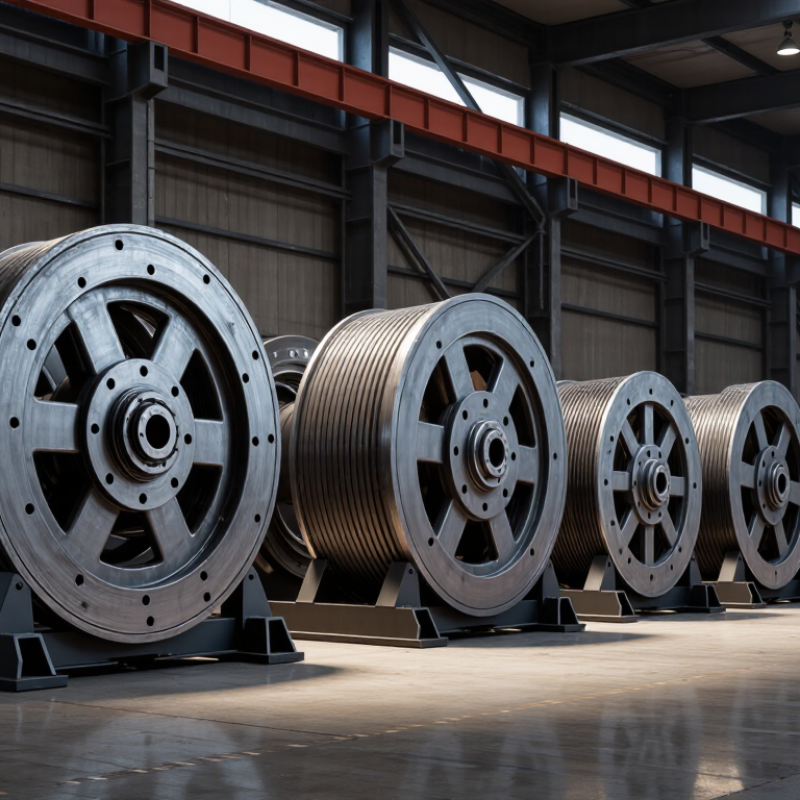
A crown block is the fixed sheave assembly mounted high on a drilling rig’s mast or derrick. Working with the traveling block, it guides the drilling line and helps raise or lower heavy loads. Each sheave’s groove supports the wire rope; its profile and surface condition affect rope wear and tracking. Small details matter.

Design choices depend on rated load, reeving arrangement, line speed, and operating environment. The frame must carry expected forces, while bearings allow sheaves to turn smoothly. Guards help reduce exposure to moving parts, and access points can make inspection easier. A heavier assembly is not automatically safer. Compatibility with the rig and rope matters just as much.

Crown blocks are used in drilling, workover, and other hoisting applications where controlled vertical movement is essential. Dust, moisture, vibration, and repeated loading can affect performance over time. Operators and maintenance teams should follow the equipment maker’s inspection guidance and have qualified personnel assess wear, alignment, and unusual noise. Sometimes the overlooked issue is not a dramatic failure, but a groove that slowly damages the line. That deserves attention.


Key Criteria for Evaluating Crown Block Manufacturers

Key Criteria for Evaluating Crown Block Manufacturers

A crown block carries heavy loads through sheaves, bearings, and structural members. Check its rated capacity against the rig’s maximum hook load, not just typical operating conditions. Confirm sheave diameter and groove profile match the drilling line. Poor compatibility can accelerate rope wear. API Spec 8C covers drilling and production hoisting equipment, including crown blocks; request documentation showing the unit meets the applicable edition. Small details matter.

Review material traceability, inspection records, and load-test documentation. Ask how welds and critical components are inspected, and whether replacement bearings and sheaves are readily available. The IEA’s World Energy Investment 2024 estimated upstream oil and gas investment would rise 7% to USD 570 billion in 2024. That figure signals substantial sector activity, but it does not prove any individual product’s quality. Verify claims directly with technical records and references from comparable operating environments.

Tips: Ask for a dimensional drawing, rated-load certificate, and maintenance schedule before comparing bids. Check delivery terms and support response times. A polished brochure is useful, but it cannot replace evidence. No checklist catches every field surprise; document unresolved questions and confirm them with your engineering team.

Profiles of Seven Crown Block Manufacturers for Global Buyers

Global buyers usually compare crown block manufacturers through load ratings, sheave design, inspection records, and service reach. The heavy-duty offshore specialist builds large welded frames for harsh marine environments. Its crown blocks often use sealed bearings, corrosion-resistant coatings, and multi-sheave arrangements. Buyers should still verify fatigue calculations and salt-spray test results.

A modular land-rig manufacturer focuses on transportable crown blocks. Its designs may reduce rig-up time with bolted sections and accessible lifting points.

A low-temperature specialist serves northern drilling regions, using impact-tested steel and hydraulic components rated for severe cold.

The compact workover equipment maker targets smaller crews. Its crown blocks emphasize low weight, simple maintenance, and clear guarding around moving parts.

The custom engineering manufacturer produces crown blocks for unusual mast heights or well loads. This option suits projects where standard dimensions create alignment problems.

A regional service-led manufacturer offers faster inspections, spare bearings, and on-site repair support. That practical advantage can matter more than a slightly lower purchase price.

The automation-focused manufacturer integrates load monitoring, vibration sensors, and digital maintenance alerts. Useful, but not flawless. Sensors still need calibration and human checks.

From field evaluations, buyers should request drawings, material certificates, non-destructive testing records, and references from similar rigs. Ask how each manufacturer handles emergency parts. Do not rely on brochures alone. Some suppliers describe capacity broadly, while the actual limit depends on sheave speed, rope diameter, temperature, and installation quality. A factory audit can reveal details that polished specifications miss.

Comparing Product Range, Standards, and International Support

For global buyers comparing crown block manufacturers, product range should mean more than a long catalog. Check whether the maker offers suitable sheave sizes, rated loads, and rope compatibility for your drilling setup. Ask for dimensional drawings and materials information. A sheave that looks right on paper may not suit an existing mast. Details matter.

Standards and quality records deserve close review. Request applicable design standards, inspection procedures, load-test reports, and traceability documents for major components. Requirements can differ by project and destination, so confirm the exact documents with your engineering team. A certificate alone does not show how consistently a product was made. Ask how defects are recorded and handled. That answer can be revealing.

International support is part of the equipment decision. Compare response times, spare-parts availability, export packaging, installation guidance, and technical documentation in a language your crew can use. Clarify who handles questions after delivery, including across time zones. A polished catalog can still leave gaps in service details. I would not assume those gaps are harmless; request a written support plan and check references from buyers with similar operating conditions. Be cautious, but practical.

Supplier Selection, Procurement, and After-Sales Considerations

Choosing a crown block manufacturer starts with the duty, not the sales brochure. Confirm the rated load, sheave diameter, rope size, and operating environment match your rig. Ask for drawings, material specifications, inspection records, and load-test documentation. A polished certificate is useful, but it should be traceable to the supplied equipment. Check that serial numbers and component records agree.

Procurement teams should compare more than unit price. Request a clear breakdown of manufacturing lead time, packing, shipping terms, and included accessories. Discuss how custom dimensions affect delivery and replacement-part availability. If possible, review a sample inspection report and speak with a technical contact who can explain tolerances plainly. Small details matter. A groove that does not suit the wire rope can accelerate wear, even when the block appears sound. That assumption is easy to miss.

After-sales support deserves equal scrutiny. Confirm warranty coverage, response times, and which parts the supplier keeps available. Ask how troubleshooting works across time zones, and whether maintenance guidance includes inspection intervals and lubrication points. Keep the answers in writing. A supplier may promise fast support, yet vague terms leave room for disappointment. No checklist removes every risk, so record unresolved questions before placing an order and revisit them during acceptance inspection.

7 Best Crown Blocks Manufacturers for Global Buyers? — Supplier Evaluation Priorities

Example 1–5 scorecard for comparing crown block suppliers. Scores are illustrative, not ratings of actual manufacturers or market research.

Compare rated-load documentation, applicable API 8C requirements, compatibility with the drilling line, delivery commitments, and after-sales support. Set project-specific scores using verified supplier documents and references.